Recent Post

Mastering Razz Poker from Start to Finish ...
Razz poker is a captivating and intellectually challenging variation of Seven Card Stud that flips traditional hand hierarchies completely on their head. Instead of competing to build the highest possible card combination, players strive to construct the lowest unpaired five-card hand. Developing a deep understanding of this lowball classic can significantly improve your mental flexibility and strategic performance across all other card games.
The Core Rules and Lowball Hand Rankings
In Razz, the standard hand rankings are completely reversed, making aces the lowest and most valuable cards in the deck. Furthermore, straights and flushes do not count against your hand strength, meaning they will not ruin your low status. The absolute best possible holding is five-four-three-two-ace, which players commonly refer to as the wheel.
Every hand starts with each participant posting an ante before receiving two private hole cards and one face-up door card. The player showing the highest visible card is forced to pay the bring-in bet to start the action. Players then proceed through multiple betting rounds as additional upcards and a final downcard are distributed.
Essential Pre-Flop Starting Hand Selection
Consistent success in Razz relies heavily on extreme starting hand discipline and the patience to wait for premium opportunities. Your primary objective is to start with three cards ranked eight or lower, with three cards to a wheel being the absolute gold standard. Entering a pot with high cards or a pair will instantly put you at a severe disadvantage against observant opponents.
You must also pay close attention to the exposed cards of other players at the table before making your decision. If you notice that the cards you need to complete your low draw are already visible in your opponents' hands, your actual odds of winning decrease significantly. Finding a trusted online platform like the M88 slot site can offer a relaxed environment to practice these fundamental starting hand calculations.
Advanced Street Play and Memory Tracking
As the hand progresses to fifth and sixth street, tracking your opponents' visible cards becomes the most critical skill to master. You must memorize every card that is folded early in the hand to calculate your precise drawing equity. This mental record tells you exactly how many live low cards remain in the deck as the final streets unfold.
When you hold a strong lead with lower visible cards, you should use aggressive betting to force your opponents to pay a premium to draw. Conversely, if your board catches high cards or pairs, you must be disciplined enough to abandon the hand quickly. Managing these shifting board textures separates casual lowball players from true table experts.
Psychological Adaptability and Bluffing Tactics
While Razz is a game heavily driven by mathematical probabilities, psychology and table presence still play a major role in your overall success. Representing a strong low hand based on your exposed cards allows you to execute highly effective bluffs against cautious opponents. If your upcards look exceptionally low, you can often win the pot immediately without ever showing your actual downcards.
Ultimately, mastering this classic lowball variant requires a balance of mathematical precision, memory recall, and emotional control. By refining your starting hand selection and learning to read board textures, you can navigate any table with complete confidence. Embracing these advanced concepts will help you conquer the game of Razz from start to finish.
How to Build Strong Mahjong Hands Quickly ...
Building a powerful and competitive hand in Mahjong requires a balance of quick decision-making, pattern recognition, and tactical foresight. While many casual players rely purely on the luck of the draw, experts employ structured techniques to accelerate their hand development. By understanding tile efficiency and planning ahead, you can significantly reduce the number of turns it takes to declare a win.
Evaluating Your Starting Tiles for Maximum Speed
The journey toward a fast victory begins immediately after the initial deal when you sort your hand. Instead of committing to a complex, high-scoring pattern too early, focus on identifying your most flexible tile structures. Grouping your pieces cleanly allows you to spot natural partnerships and determine which suits have the highest density.
Remaining adaptable during these opening rounds prevents you from getting stuck waiting for rare tiles that your opponents might be holding. Expert players look for compound shapes that can easily accept multiple different draws to maximize their efficiency. This initial assessment sets a reliable trajectory and saves valuable turns later in the game.
The Foundations of Tile Efficiency
Tile efficiency is the absolute core of building strong hands quickly, as it teaches you to manage your draws with mathematical precision. Every discard decision should prioritize keeping versatile suited tiles that easily form consecutive sequences or identical triplets. Discarding isolated honor tiles and terminal pieces early in the game can quickly clear space for high-value combinations.
By constantly evaluating which groups have the highest potential, you can make informed choices that keep your options wide open. Players seeking to sharpen their strategic skills can also practice these concepts on specialized online platforms. Finding a reliable space like M88 slot provides a great opportunity to test your tactical speed and build overall table confidence.
Applying the Five-Block Theory
The highly regarded five-block theory is an advanced concept that helps players map out their progress toward a winning hand. A standard winning layout requires fourteen tiles formed into four distinct sets of three and one matching pair. By dividing your hand into five distinct building blocks early on, you can easily track which sections are complete and which require improvement.
This systematic approach prevents you from holding onto unnecessary tiles that limit your flexibility under pressure. It also helps you quickly identify when to abandon a slow-developing section in favor of a faster, more reliable alternative. Adopting this mental framework elevates your decision-making and ensures your hand progresses efficiently with every single draw.
Balancing Offensive Speed with Defensive Awareness
While maximizing speed is crucial for securing a quick win, maintaining a strong defensive awareness is equally important. Experienced players continuously monitor the discard pile to deduce what combinations their opponents might be building. This defensive habit ensures you do not accidentally discard a high-value tile that hands someone else an easy victory.
Knowing when to pivot from an aggressive offensive strategy to a defensive posture can save your score during difficult rounds. If your hand is developing too slowly, it is often wiser to play safe tiles and prevent others from finishing first. Mastering this balance allows you to protect your standing while waiting for a better opportunity to strike.

Learn Winning Patterns in Solitaire Games ...
Solitaire has long transcended its reputation as a game of mere chance, evolving into a fascinating test of strategy and pattern recognition. Experienced players understand that winning consistently is not just about moving the cards you see, but anticipating how each placement impacts subsequent turns. By identifying specific layout behaviors and structural cycles, you can significantly elevate your success rate.
Deciphering the Tableau Layout
Every successful layout begins with a critical assessment of the initial tableau setup. You should always prioritize moves that reveal cards in the largest columns to expand your available pathways. This systematic approach ensures you do not get stuck early in the game with limited options.
Another major structural pattern involves managing the stockpile card order with strict intent. Experienced tacticians suggest flipping the top card of the deck before making secondary moves on the table. This simple sequence reveals valuable alternatives that might otherwise remain buried.
Uncovering Hidden Stacks Efficiently
Hidden cards represent the primary obstacles to achieving a fully solved board. Your main focus should always be to target columns with the highest number of face-down cards to clear them out quickly. This action naturally unlocks new sequences and prevents the game from reaching a premature dead end.
Understanding the balance of suits is another pattern that separates beginners from experts. Keeping track of suit parity helps you build orderly sequences that are much easier to deconstruct later. Ignoring this crucial relationship often results in locked columns that cannot be separated without undoing multiple moves.
Managing Empty Columns and Foundations
An empty column is one of the most powerful tools in any variation of solitaire. However, you must avoid clearing a space unless you have a King ready to occupy it immediately. An empty slot without a plan serves no purpose and temporarily reduces your active playing area.
Similarly, constructing the foundation piles requires careful timing and restraint. Moving low-value cards up too quickly can leave you without the necessary tools to organize cards on the tableau. Always ask yourself if a card is still needed to support other columns before sending it away permanently.
Strategic Variations and Modern Outlets
Different versions of the game, such as Spider or FreeCell, offer unique setups that highlight diverse analytical patterns. Just as modern gaming enthusiasts analyze structural loops on an M88 slot, card players must study the specific rules of their chosen platform to optimize their outcomes. Adapting your strategy to the exact digital framework you are playing on is key to higher scores.
Ultimately, consistent success in solitaire requires a delicate balance of patience and rapid decision-making. Dedicating time to daily practice will help you recognize these layout dynamics automatically. Over time, you will find that even the most complex card configurations resolve with satisfying ease.

Top Table Games for Competitive Players ...
For individuals who thrive on tactical depth, psychological battlegrounds, and high-stakes decision-making, casual gaming rarely satisfies the competitive itch. Table games have long served as the ultimate arena for intellectual rivalry, offering players a chance to test their skills against both the house and mathematical odds. From classic card strategies to complex board mechanics, the modern competitive landscape provides a wealth of options designed to challenge the sharpest minds.
The Strategic Superiority of Blackjack
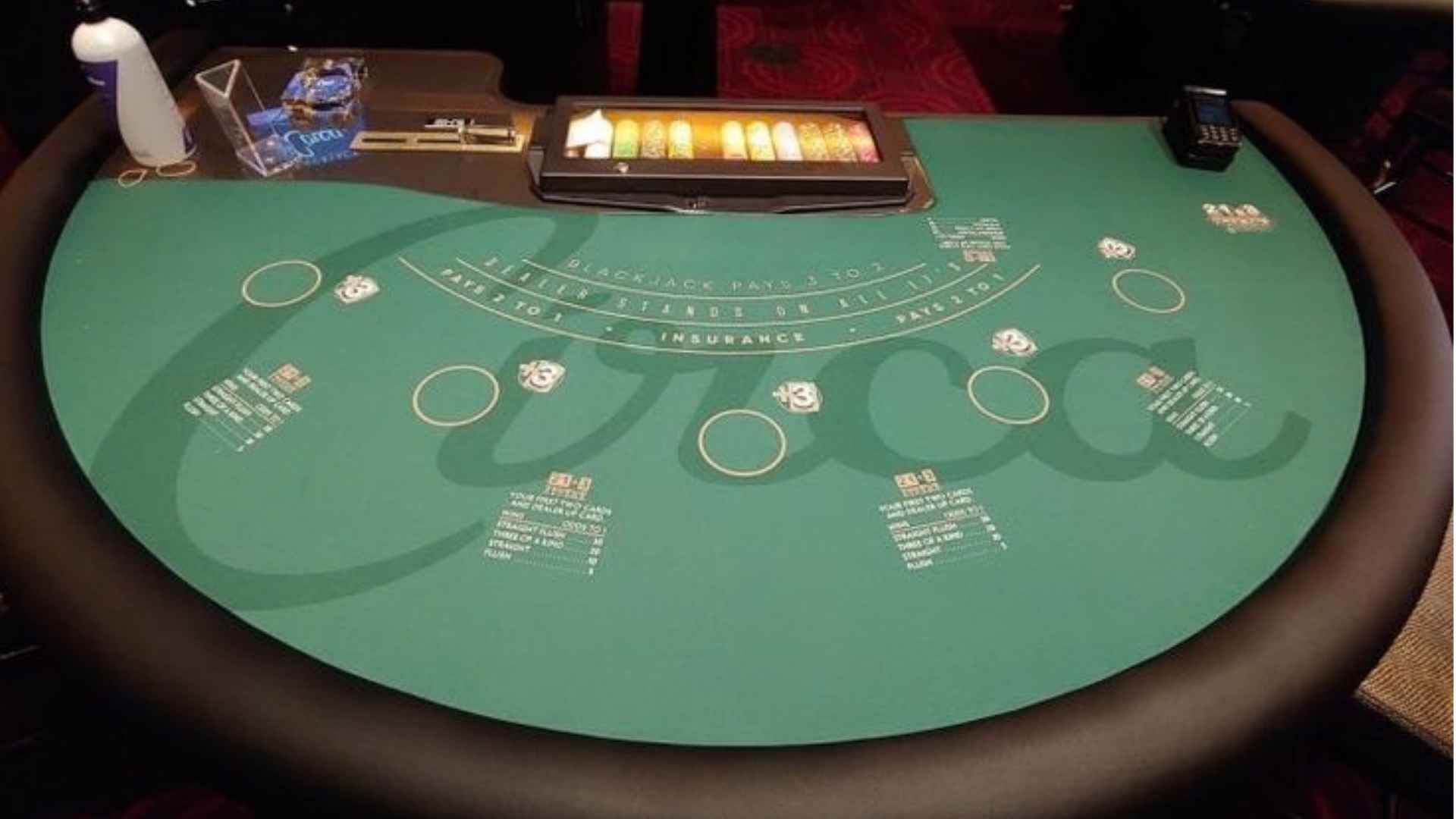
Blackjack remains a premier choice for competitive players because it directly rewards mathematical discipline and analytical thinking. Unlike games of pure chance, every decision to hit, stand, double down, or split alters the probability of the outcome. Players who master basic strategy can reduce the house edge to a fraction of a percent, making it a highly rewarding pursuit for those willing to study the numbers.
This level of control appeals to minds that enjoy breaking down complex scenarios into calculated risks. While card counting represents the pinnacle of blackjack mastery, even standard tactical play requires intense concentration and emotional control. For enthusiasts looking to test their skills in other competitive formats, finding a reliable platform like a premium M88 slot or card lobby can offer a great way to refine quick-thinking abilities under pressure.
Mastering the Psychology of Poker
Poker elevates table gaming to a psychological art form where you play the opponents rather than just the cards. Success in variants like Texas Hold'em requires a deep understanding of game theory, positional advantages, and betting structures. The true test of a competitive poker player lies in their ability to calculate pot odds instantly while deciphering the subtle behavioral cues of others around the layout.
The competitive nature of the game is sustained by the constant tension between risk and reward. Experienced players know how to exploit passive opponents and when to execute a well-timed bluff to steal a valuable pot. It is this intense mental warfare and long-term skill edge that cements poker as a staple for serious competitors worldwide.
The Calculated Risks of Craps and Baccarat
While often viewed as spectator favorites, games like craps and baccarat offer deep tactical layers for systematic players. Craps features one of the most complex betting layouts on the casino floor, requiring players to manage multiple volatile outcomes simultaneously. Successful competitive play in craps centers around smart bankroll management and hedging bets to maximize odds on the pass line.
Baccarat, on the other hand, appeals to high rollers and competitive purists who appreciate rapid, high-stakes decision-making. By focusing strictly on banker and player trends, strategic participants look to capitalize on statistical streaks. Both games demand a disciplined approach to betting progression, proving that competitive mastery extends far beyond card play alone.
The Complete Dominoes Strategy Handbook ...
While dominoes is often celebrated as a casual game enjoyed in social settings, players who want to win consistently understand that it requires a deep mathematical approach. Transitioning from simple tile matching to analytical control of the table can elevate your performance and turn casual games into structured victories. Learning how to manage your hand while reading the layout of the board is the first step toward true mastery.
Evaluating Your Hand and Managing Early Placement
As soon as you draw your initial tiles, you must carefully evaluate the distribution of numbers in your hand. This assessment allows you to establish a strong plan for the match by identifying your strongest suits and potential weaknesses. Playing your heaviest double tiles early in the round is usually the most effective way to minimize risk and avoid penalty points.
By prioritizing high-value tiles during your initial turns, you protect your score in case an opponent unexpectedly blocks the board. Developing this starting routine ensures that you maintain flexibility and can pivot your tactics based on how the game develops. Keeping your lower-value tiles for later stages of the game provides a reliable safety net when options become limited.
Understanding the Board Count and Controlling Endpoints
Controlling the ends of the tile chain is a fundamental skill that separates casual players from seasoned strategists. By dictating the open values on both ends of the board, you can systematically limit your opponent's play options while creating opportunities for your own pieces. This defensive technique prevents other participants from making high-scoring moves or emptying their hands quickly.
If you find yourself needing a break from traditional tabletop sessions, exploring modern platforms like M88 toto can offer unique insights into diverse gaming styles. Engaging with various digital variants helps enthusiasts refine their cognitive skills and learn how to anticipate unpredictable plays. Over time, practicing with different board layouts will naturally improve your overall pattern recognition and logical thinking.
The Art of Tracking Played Tiles and Calculating Probability
Consistent victory in competitive dominoes is built on your ability to track which tiles have already been played. Since a standard double-six set consists of exactly twenty-eight unique pieces, calculating the remaining tiles in play is highly manageable. Keeping a mental log of visible numbers allows you to deduce what your opponents are holding in their hands.
Using this information, you can strategically block the table when you hold the majority of a specific suit. This advanced tactic forces other players to pass their turns or draw repeatedly from the boneyard, shifting the momentum entirely in your favor. Mastering this form of calculated probability turns dominoes from a game of mere luck into a deeply psychological battle of wits.
Wheel Games with Innovative Features ...
The landscape of casual gaming has transformed dramatically with the introduction of wheel games that feature modern, creative mechanics. No longer limited to basic mechanical designs, these games now incorporate high-tech features that elevate consumer interaction and keep audiences highly engaged. By understanding how these new designs work, players can easily find the most entertaining and reliable platforms available today.
The Rise of Multi-Layered Wheel Systems
Traditional spinning wheels usually offer a single layer of prizes, which can occasionally limit the long-term excitement for experienced players. To solve this, developers have designed advanced multi-layered configurations where one spin can trigger secondary and tertiary wheels for compounding rewards. This added structural depth keeps every round fresh and introduces a fascinating element of strategic anticipation.
These complex designs often integrate unique multiplier systems that can rapidly increase the potential value of standard segments. Players enjoy watching the outer and inner rings align, creating a highly visual spectacle that traditional formats simply cannot match. This architectural shift marks a major milestone in how modern digital entertainment platforms design their core mechanics.
Immersive Live Host Integration
Another major milestone is the inclusion of real-time streaming technology and charismatic live hosts who guide players through each spin. This format merges the excitement of television game shows with the convenience of personal mobile devices, creating an active community atmosphere. Players can interact with the host and other participants through live chat systems, making the game highly social.
For those looking to explore these interactive formats, finding a trusted platform like M88 toto can offer a secure and highly engaging environment. Utilizing reputable platforms ensures that your interactive sessions are backed by fair systems and high-definition streaming quality. This peace of mind allows you to focus fully on the social dynamics and physical excitement of the live broadcast.
Gamification and Progression Features
Modern wheel games have also adopted progression elements from popular video games to reward long-term participation. Instead of treating each spin as an isolated event, contemporary systems allow players to accumulate experience points and unlock custom visual themes. This ongoing progression gives casual sessions a greater sense of purpose and achievement.
Some systems even allow players to modify certain aspects of the wheel as they reach specific milestones, adding a layer of customization. These personalized touches make the gameplay experience feel highly tailored to individual styles and preferences. By transforming simple chance into an evolving journey, developers have successfully secured a loyal and enthusiastic global player base.

What Sets Live Casino Apart from Digital Casino Games ...
The landscape of online gaming has evolved dramatically over the last few years, giving modern players multiple distinct ways to enjoy classic table activities from their personal devices. While early platforms relied entirely on virtual software and static graphics, modern technological advancements have introduced real-time broadcasts hosted by professional physical dealers. Understanding the key differences between these two formats can help you choose the specific gaming environment that best aligns with your individual preferences.
The Human Element and Real-Time Interaction
The most obvious difference between live and digital casino games is the presence of a real human dealer managing the action. In a live setting, professional croupiers shuffle physical cards and spin real roulette wheels in real time from a specialized broadcasting studio. This human element creates a highly welcoming and social atmosphere that closely mirrors the dynamic energy of a traditional land-based establishment.
On the other hand, standard digital games are completely automated and run on individual player screens without any external human presence. While these digital versions are incredibly efficient, they lack the interactive chat features that allow players to converse freely with dealers and fellow participants. For players who enjoy a vibrant community feel, selecting platforms that offer classic options like M88 toto provides an excellent way to experience high-quality live entertainment.
RNG Software versus Physical Equipment
Digital casino games depend entirely on complex Random Number Generator software to determine the outcome of each individual spin or card dealt. These sophisticated algorithms are thoroughly tested and certified by independent third-party agencies to guarantee completely fair play and unpredictable results. However, some players still prefer the sensory experience of watching physical cards being shuffled or a real ball spinning on a physical wheel.
Live dealer games bridge this gap by utilizing actual physical gaming equipment and real-world physics instead of computer-generated outcomes. Advanced optical camera technology instantly translates the movement of these physical objects into digital data on your screen. This transparent process provides a level of visual reassurance and trust that traditional software-based systems simply cannot replicate.
Pace of Play and Decision Timing
The pacing of these two popular gaming formats differs significantly, catering to completely different styles of players. Standard digital games operate entirely at your own speed, allowing you to take as much time as you need before making a strategic decision. This independent control makes them ideal for beginners who want to practice rules or test betting systems without any external pressure.
In contrast, live casino tables run on a strict real-time schedule to accommodate multiple players from around the world simultaneously. You only have a limited window of time to place your bets before the dealer starts the next round. This faster pace creates an exciting, high-energy environment that appeals greatly to seasoned players seeking realistic, authentic casino action.
Visual Immersion and Broadcast Technology
The technical infrastructure behind modern live dealer studios represents a massive leap forward in digital entertainment technology. High-definition cameras stream the gameplay from multiple angles, ensuring that you never miss a single detail of the physical table. This sophisticated setup creates a deeply immersive virtual environment that places you right at the center of a realistic casino floor.
Standard digital games utilize basic computer graphics and simple, flat animations to represent the gameplay. While modern virtual graphics are incredibly sharp and visually appealing, they do not offer the same depth of realism as a live broadcast. Ultimately, choosing between the two depends on whether you value rapid, solitary play or an authentic, visually rich interactive environment.

Slot Games Inspired by Ancient Legends ...
The world of online gaming has found a remarkable and enduring muse in the deep well of human mythology. Slot games inspired by ancient legends have grown from niche thematic choices into a dominant genre that captivates players across the globe. By blending historical narratives with modern software engineering, developers are able to create experiences that transcend traditional casino mechanics.
The Digital Resurgence of Mythological Heroes
Modern slot machines frequently draw upon the epic tales of Norse gods, Greek deities, and legendary Asian emperors to build immersive worlds. These historic characters provide immediate emotional resonance for players who are already familiar with their cultural significance. By placing iconic figures like Odin or Zeus onto the virtual reels, developers give a narrative purpose to every spin.
Furthermore, the visual representation of these legends has advanced significantly alongside computing power. Stunning three-dimensional graphics and sweeping orchestral soundtracks complement the historical themes perfectly. This artistic depth helps transform a simple wagering session into a cinematic story about heroic triumphs and ancient mysteries.
How Storied Lore Reshapes Gameplay Mechanics
The integration of ancient legends does more than just alter the visual aesthetic of a game; it directly influences the mechanical design. For instance, a bonus round might be structured around a hero completing the twelve labors or navigating a treacherous underworld. This alignment between story and software makes the casual gaming loop far more intuitive and satisfying.
Special features like cascading reels or expanding wilds are frequently reskinned to match divine powers or magical relics. When a player activates a feature, it feels like an authentic extension of the myth rather than a random algorithm. This thoughtful integration keeps the entertainment value high while honoring the core source material.
Exploring Trusted Portals for Thematic Gaming
Finding high-quality titles that treat these cultural narratives with respect requires navigating toward reliable and safe online platforms. Exploring comprehensive reviews can guide players toward games that offer both fair mathematical models and stellar narrative execution. Engaging with verified hubs like M88 toto allows enthusiasts to discover secure environments featuring the latest legendary releases.
Many top-tier platforms also provide free demo versions of these popular titles, allowing users to experience the narrative design without initial commitments. Testing the games beforehand is an excellent way to evaluate the volatility and bonus frequency of specific themes. This mindful approach ensures your interactive journey remains consistently enjoyable and secure.
The Future of Mythological Interactive Design
As virtual and augmented reality technologies continue to mature, the potential for ancient storytelling in gaming will expand exponentially. Future iterations will likely allow players to walk through digital recreations of legendary temples or interact directly with mythical creatures. This progression will blur the lines between educational exploration and casual casino entertainment.
Ultimately, the timeless appeal of these historical narratives guarantees that they will remain a foundation of game design for years to come. Human beings possess an inherent love for epic folklore, and modern platforms provide the perfect canvas to keep those stories alive. By honoring the past, developers continue to secure an exciting future for digital entertainment.

Top Board Games with Innovative Mechanics ...
The global tabletop gaming landscape is undergoing a massive transformation as modern designers push the boundaries of traditional play. Instead of relying purely on standard dice rolls or predictable linear tracks, modern titles introduce highly immersive systems that fundamentally alter how players interact with physical components. These breakthrough designs provide fresh strategic challenges that keep tabletop enthusiasts deeply engaged for years.
The Dynamic Power of Asymmetric Player Abilities
One of the most significant shifts in modern board game design is the implementation of variable player powers where everyone operates under entirely different rules. This approach ensures that each participant experiences a completely unique set of challenges, goals, and strategic avenues during the same session. Asymmetry forces players to constantly adapt their tactics depending on which faction or character their opponents have selected.
Furthermore, these intricate systems dramatically increase the longevity of a single game title because switching roles offers a completely fresh perspective. Hobbyists can spend dozens of hours mastering a single faction before moving on to explore an entirely distinct set of mechanics. This layered complexity makes asymmetric systems a favorite choice for experienced groups seeking deep intellectual engagement.
Innovative Physical Components and Spatial Puzzles
Modern tabletop experiences frequently elevate the gameplay by introducing three-dimensional elements or interactive spatial puzzles that dictate strategic choices. Players are no longer simply moving cardboard tokens across a flat surface; instead, they might be building complex structures that physically modify the play area. This tactile dimension adds a rich layer of planning where visual awareness becomes just as critical as resource management.
Many of these spatial designs challenge participants to think multiple moves ahead regarding physical positioning and geometry. For individuals looking to discover unique ways to analyze patterns and systems, engaging with these tactile puzzles provides exceptional mental exercise. Exploring creative strategies on trusted platforms like M88 toto can also offer a fascinating look into calculated odds and structural risk. Ultimately, integrating physical spatial mechanics ensures that every movement on the board carries significant weight.
Legacy Systems and Evolving Campaign Structures
The introduction of legacy mechanics permanently transformed the tabletop industry by allowing choices made in one session to alter the physical game permanently. Players modify components, open sealed boxes, and tear up cards as the overarching campaign narrative unfolds across multiple weeks. This system creates a profound sense of consequence because a single mistake can impact the state of the board for the rest of the campaign.
This evolving framework satisfies the growing demand for deep storytelling combined with traditional strategic elements. The continuous progression keeps game nights highly anticipated, as players look forward to discovering hidden rules and new components. Legacy structures successfully bridge the gap between traditional board games and expansive role-playing adventures.
Innovative Resource Distribution and Action Selection
Modern designers have also revolutionized how players select actions and manage their valuable resources during a match. Instead of standard turn-taking routines, advanced titles utilize dynamic drafting, shared worker pools, or complex action-programming wheels. These innovative delivery methods minimize downtime and keep all participants constantly active in evaluating the shifting board state.
By reducing random chance and maximizing tactical decision-making, these modern action systems reward analytical planning over simple luck. Players must carefully balance immediate rewards against long-term operational costs to outmaneuver their competitors. This sophisticated approach to resource management ensures that modern strategic board games remain intensely competitive and rewarding.

Smart Tips for Playing Number Games ...
Engaging in numerical puzzles offers a brilliant way to stimulate cognitive faculties while enjoying a productive pastime. Navigating these challenges successfully requires more than just basic arithmetic skills; it demands a strategic mindset and disciplined mental habits. By implementing a few analytical techniques, players can significantly boost their accuracy and discover a deeper appreciation for quantitative problem-solving.
Analyze Before Making a Move
The most common mistake among casual players is rushing into data entry without evaluating the entire grid or sequence first. Spending a few quiet moments scanning for the most restricted areas will immediately reveal the most logical starting points. This deliberate approach minimizes early errors that could potentially compromise the entire puzzle later on.
Developing a habit of systematic observation alters how you perceive complex data patterns under pressure. Experienced enthusiasts often scan row by row or look for overlapping groups to isolate missing variables efficiently. Cultivating this initial patience establishes a sturdy foundation for more advanced computational maneuvers.
Implement the Process of Elimination
When direct answers are not immediately obvious, utilizing a strict process of elimination becomes an invaluable asset. By determining which numbers absolutely cannot fit into a specific position, you naturally uncover the solitary correct option left behind. This structured methodology effectively removes guesswork, replacing anxiety with reliable logic.
Many digital tracking environments allow players to note potential candidates dynamically without fully committing to a final answer. Exploring reliable platforms like M88 toto can provide excellent examples of modern layouts designed to support this precise deductive style. Relying on structured deduction ensures steady progression through even the most intricate levels.
Maintain Consistent Mental Tracking
Keeping a clear mental record of your previous assumptions helps you quickly trace back where a chain of logic might have strayed. If an error surfaces late in a session, a well-tracked sequence allows you to correct the isolated misstep without resetting the entire project. This organized approach builds long-term mental stamina and minimizes unnecessary frustration.
Taking short, deliberate breaks during exceptionally lengthy sessions can also prevent cognitive fatigue and restore perspective. A refreshed mind often spots hidden patterns and subtle mathematical connections that were previously overlooked. Consistency and emotional balance are ultimately your strongest tools for ongoing numerical mastery.
The Long Term Value of Structured Practice
Regular engagement with quantitative challenges delivers profound cognitive benefits that extend far beyond simple digital entertainment. Scientific studies suggest that structured logic puzzles actively exercise executive function, improving general memory retention and cognitive flexibility. Over time, these daily exercises help maintain sharp analytical instincts applicable to real-world decision-making.
Furthermore, the inherent satisfaction of solving a difficult mathematical puzzle triggers a positive psychological response that lowers stress. Dedicating even fifteen minutes a day to these strategic activities ensures a healthy balance of education and relaxation. Transforming these smart habits into a regular routine guarantees continuous self-improvement and lasting intellectual rewards.
Semua artikel sudah ditampilkan.